
Loading lot details…
The May 2023 Auction: Part 3
Swipe left for previous · Swipe right for next
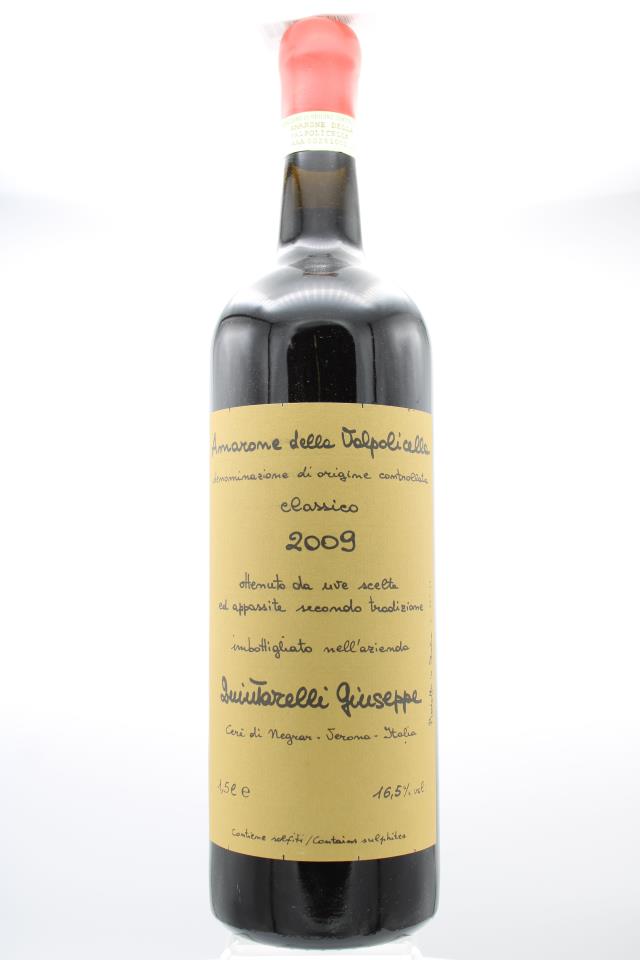 1 / 2
Lot 1145
Estimate: $650
This auction has ended. Bidding is closed.
Collection name
Reviews
95WA
"This wine is only made in the best vintages, and the next release is 2011. The 2009 Amarone della Valpolicella Classico is a mysteriously ephemeral wine but also a very powerful one at the same time. The alcohol content is 16.5%, and this is one of the most important indicators used when deciding that a vintage is good enough to make Amarone. This wine shows a deep, dark color that is reinforced by thick density and smoky aromas that lift from the glass, followed by exotic spice, campfire ash, camphor and plenty of dark plummy and raisiny fruit. The bouquet reveals outlying aromas of bitter chocolate and crushed slate. In the mouth, the wine offers plenty of ripeness and fruity sweetness, but there is enough supporting structure here to absorb both the sugar and the alcohol. There is a sweetly fragrant earthy note on the long and silky finish . . . . Today, the Quintarelli family (Giuseppe's daughter Fiorenza, her husband Giampaolo with sons Francesco and Lorenzo) farm 12 hectares of vines on limestone and basalt soils between the property adjacent to the winery and other plots in the surrounding hills. Most of the vineyard land was purchased by Giuseppe Quintarelli, but the house and winery were acquired by his father. The Quintarellis worked with consulting enologist Roberto Ferrarini (who passed away in 2014), and the stunning 2007 Recioto della Valpolicella Classico (reviewed here) is dedicated to him. The winemaking process for Amarone is simple. The best clusters are selected during harvest and left to dry on wooden boxes or mats. Noble rot starts to appear in November and develops carefully until January of the following year. After appassimento, the dehydrated grapes are pressed at the end of January and undergo 20 days of skin contact with alcoholic fermentation on ambient yeasts. The entire fermentation lasts 45 days, and the wine is then racked into Slavonian oak casks for seven years, slowly concluding alcoholic fermentation during aging, thus resulting a dry wine. The wines are sold according to market demand, so there are no official release dates or schedules. When stock sells out, the family moves more wine from barrel to bottle accordingly. The Amarone della Valpolicella Classico is only made in the best years, and when it is not produced, the family opts to make Rosso del Bepi instead. In terms of the current and upcoming releases, we have the following wines to look forward to: the 2008 vintage went to Rosso del Bepi, the 2009 vintage is Amarone, the difficult 2010 vintage is Rosso del Bepi and the 2011 vintage is Amarone."
Region
Red
Country
Score
"This wine is only made in the best vintages, and the next release is 2011. The 2009 Amarone della Valpolicella Classico is a mysteriously ephemeral wine but also a very powerful one at the same time. The alcohol content is 16.5%, and this is one of the most important indicators used when deciding that a vintage is good enough to make Amarone. This wine shows a deep, dark color that is reinforced by thick density and smoky aromas that lift from the glass, followed by exotic spice, campfire ash, camphor and plenty of dark plummy and raisiny fruit. The bouquet reveals outlying aromas of bitter chocolate and crushed slate. In the mouth, the wine offers plenty of ripeness and fruity sweetness, but there is enough supporting structure here to absorb both the sugar and the alcohol. There is a sweetly fragrant earthy note on the long and silky finish . . . . Today, the Quintarelli family (Giuseppe's daughter Fiorenza, her husband Giampaolo with sons Francesco and Lorenzo) farm 12 hectares of vines on limestone and basalt soils between the property adjacent to the winery and other plots in the surrounding hills. Most of the vineyard land was purchased by Giuseppe Quintarelli, but the house and winery were acquired by his father. The Quintarellis worked with consulting enologist Roberto Ferrarini (who passed away in 2014), and the stunning 2007 Recioto della Valpolicella Classico (reviewed here) is dedicated to him. The winemaking process for Amarone is simple. The best clusters are selected during harvest and left to dry on wooden boxes or mats. Noble rot starts to appear in November and develops carefully until January of the following year. After appassimento, the dehydrated grapes are pressed at the end of January and undergo 20 days of skin contact with alcoholic fermentation on ambient yeasts. The entire fermentation lasts 45 days, and the wine is then racked into Slavonian oak casks for seven years, slowly concluding alcoholic fermentation during aging, thus resulting a dry wine. The wines are sold according to market demand, so there are no official release dates or schedules. When stock sells out, the family moves more wine from barrel to bottle accordingly. The Amarone della Valpolicella Classico is only made in the best years, and when it is not produced, the family opts to make Rosso del Bepi instead. In terms of the current and upcoming releases, we have the following wines to look forward to: the 2008 vintage went to Rosso del Bepi, the 2009 vintage is Amarone, the difficult 2010 vintage is Rosso del Bepi and the 2011 vintage is Amarone."
Have questions?
Italy grows more indigenous grape varieties than any other country and produces wine in all 20 of its regions. From Piedmont's Nebbiolo to Tuscany's Sangiovese, its finest wines pair structure and bright acidity with a strong sense of place.
A prolific northern region known for Amarone della Valpolicella, made from dried grapes, as well as Soave and Prosecco. Its finest reds are rich, warming and concentrated.