
Loading lot details…
The November 2026 Auction: Part 4
Swipe left for previous · Swipe right for next
 1 / 2
Lot 1098
Estimate: $85
Next Bid
Current Bid
Sign in to place bids and add to your watchlist.
Login to BidCollection name
Reviews
96-98JD
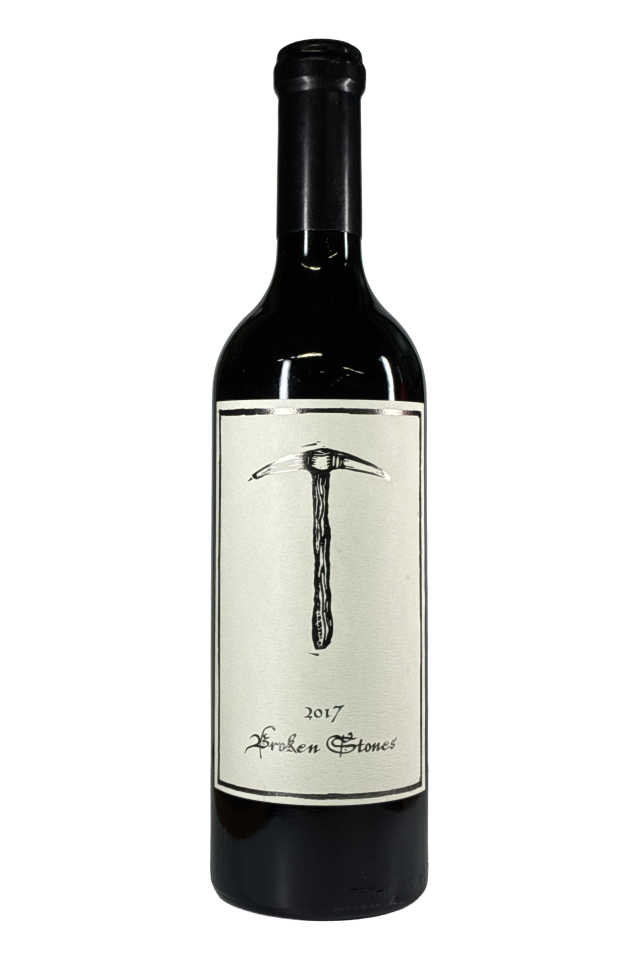
"The 2017 Broken Stones shows a meatier style in its darker, blue fruits, charred meat, bay leaf, and violet-laced aromas and flavors. As with all these 2017s, it’s silky and just incredibly sexy as well as elegant, and has terrific fruit intensity, sweet tannins, and a big finish. This report looks mostly at the 2016s from undeniable superstar winemaker, Justin Smith. Smith is one of the pioneers of the Paso Robles wine scene yet remains as humble and accessible as ever. Speaking about the 2016s, these are the strongest set of releases since the 2007s, and I suspect at maturity these wines will be even better. They have a rare sense of depth and richness paired with purity and precision, as well as singular characters, and these truly are special wines. The 2016 James Berry is quite possibly the greatest wine ever produced from the region and is a legendary wine in the making. Do whatever you can to latch onto a few bottles of this magical elixir. The majority of the 2016s will benefit from 2-4 years of bottle age, but good luck keeping your hands off of them. The 2017s are similarly styled, yet they have slightly more elegance and approachability compared to the denser, richer 2016s. I suspect these will continue to put on weight as well with additional time in barrel. As I’ve said in the past, there are few mailing lists worth staying on in today wine world; this is one of them."
Region
Red
Country
Score
"The 2017 Broken Stones shows a meatier style in its darker, blue fruits, charred meat, bay leaf, and violet-laced aromas and flavors. As with all these 2017s, it’s silky and just incredibly sexy as well as elegant, and has terrific fruit intensity, sweet tannins, and a big finish. This report looks mostly at the 2016s from undeniable superstar winemaker, Justin Smith. Smith is one of the pioneers of the Paso Robles wine scene yet remains as humble and accessible as ever. Speaking about the 2016s, these are the strongest set of releases since the 2007s, and I suspect at maturity these wines will be even better. They have a rare sense of depth and richness paired with purity and precision, as well as singular characters, and these truly are special wines. The 2016 James Berry is quite possibly the greatest wine ever produced from the region and is a legendary wine in the making. Do whatever you can to latch onto a few bottles of this magical elixir. The majority of the 2016s will benefit from 2-4 years of bottle age, but good luck keeping your hands off of them. The 2017s are similarly styled, yet they have slightly more elegance and approachability compared to the denser, richer 2016s. I suspect these will continue to put on weight as well with additional time in barrel. As I’ve said in the past, there are few mailing lists worth staying on in today wine world; this is one of them."
Have questions?
The fourth-largest wine producer in the world, led by California. American fine wine is defined by ripe, expressive fruit and a spirit of innovation, with Napa Valley Cabernet Sauvignon among the most sought-after wines globally.
California wine spans coastal districts, mountain vineyards and inland valleys. From the North Coast and Central Coast to the Sierra Foothills and Southern California, its varied landscapes give collectors a wide range of regional identities to explore. A statewide designation provides the broad setting, while individual appellations reveal a more specific sense of place. Explore California auction wines at Spectrum Wine, comparing producers, vineyard names and vintages with provenance and bottle condition documented for each lot.
Paso Robles is a diverse wine region in northern San Luis Obispo County on California's Central Coast. Established in 1983, the Paso Robles American Viticultural Area spans rolling inland hills, river valleys and the eastern slopes of the Santa Lucia Range. Warm days, cool nights and Pacific breezes moving through gaps in the coastal mountains help shape a broad range of wine styles. Cabernet Sauvignon is a leading variety, alongside Merlot and other Bordeaux grapes. Syrah, Grenache and Mourvèdre underpin the region's celebrated Rhône-style reds, while Zinfandel holds an important place in its winegrowing heritage. White varieties including Viognier and Roussanne add further diversity. Single-variety bottlings share the stage with blends that reflect Paso Robles winemakers' willingness to work across regional traditions. Eleven nested appellations reveal the area's differences in elevation, exposure, rainfall and soils. These include Adelaida District, Paso Robles Willow Creek District and Templeton Gap District. Calcareous marine deposits, sandy loams and alluvial soils contribute to a varied vineyard landscape, so a wine's character depends on its particular site as well as its grape variety and winemaking. Paso Robles offers a distinctive combination of California sunshine, coastal influence and regional individuality.
Grenache, known as Garnacha in Spain, is a red grape that thrives in warm growing regions. Its wines often show strawberry and raspberry, with peppery spice and sometimes earthy notes. Styles range from fragrant, medium-bodied reds to rich, full-bodied wines with generous alcohol and a rounded texture, depending on the vineyard and winemaking. In France's southern Rhône Valley, Grenache is central to wines such as Châteauneuf-du-Pape and Gigondas, often blended with Syrah and Mourvèdre. It also produces distinctive single-variety wines in Spain and Australia. McLaren Vale and the Barossa Valley are particularly associated with old-vine Grenache, offering expressions that combine ripe fruit, spice and layered texture. Grenache's versatility extends beyond dry reds to rosé and sweet fortified wines. Vineyard conditions, crop levels and cellar choices shape its character, allowing it to deliver both fresh, approachable fruit and more concentrated, structured expressions. Its combination of generosity and adaptability makes it an important grape in both traditional regional blends and wines that showcase a single vineyard.
A late-ripening red lending structure, dark fruit and gamey, meaty complexity to southern Rhone and Mediterranean blends.
Petite Sirah produces deeply colored red wines with concentrated dark fruit and firm tannins. Especially associated with California, it often shows blueberry, plum, pepper and cocoa notes. Its substantial structure brings depth to both varietal wines and red blends.
Syrah, also known as Shiraz, is a red grape valued for deep color, dark-fruit flavors and a savory, spicy character. Blackberry and plum are common, often accompanied by violet, black pepper and smoked-meat notes. Its wines range from fragrant, medium-bodied expressions to rich, full-bodied reds, with structure and texture shaped by climate, vineyard site and winemaking. France's northern Rhône Valley is a benchmark for Syrah, with appellations such as Côte-Rôtie, Hermitage and Cornas showcasing its aromatic complexity and structure. In Australia, where it is usually labeled Shiraz, the Barossa Valley and McLaren Vale are known for generous fruit and depth, while cooler regions can produce more restrained, peppery styles. The two names refer to the same grape and do not by themselves guarantee a particular style. Syrah is made both on its own and in blends, including combinations with Grenache and Mourvèdre. Some producers also co-ferment it with a little Viognier. Structured examples can develop additional savory complexity with age, while many wines are crafted for enjoyment in their youth. This combination of fruit, spice and versatility gives Syrah a distinctive identity across a wide range of regions and styles.