
Loading lot details…
The November 2026 Auction: Part 2
Swipe left for previous · Swipe right for next
 1 / 2
Lot 2529
Estimate: $75
Sold:
This auction has ended. Bidding is closed.
Collection name
Reviews
98RP
"A prodigious effort, possibly the finest Suduiraut since 1959, the medium gold-colored 2001 offers notes of creme brulee, caramelized citrus, Grand Marnier, honeysuckle, and other exotic fruits as well as a pleasant touch of oak. With terrific acidity, a voluptuous/unctuous palate, and sweet, powerful flavors buttressed by crisp acidity, it is a phenomenal Sauternes."
Region
Sweet
Country
Score
"A prodigious effort, possibly the finest Suduiraut since 1959, the medium gold-colored 2001 offers notes of creme brulee, caramelized citrus, Grand Marnier, honeysuckle, and other exotic fruits as well as a pleasant touch of oak. With terrific acidity, a voluptuous/unctuous palate, and sweet, powerful flavors buttressed by crisp acidity, it is a phenomenal Sauternes."
Have questions?
French wine covers a remarkable range of styles, from the structured reds of Bordeaux to the sparkling wines of Champagne, where a second fermentation in the bottle creates the bubbles. Bordeaux is best known for red blends built around Cabernet Sauvignon or Merlot, but it also makes dry whites and the sweet wines of Sauternes. Burgundy is a benchmark for Pinot Noir and Chardonnay, with wines that can taste distinctly different from one village to the next. The Rhône Valley offers a contrast within a single region: Syrah shapes the reds of the north, while Grenache often leads the blends of the south. In the Loire Valley, Chenin Blanc can be dry, sweet or sparkling, while Cabernet Franc is the signature red grape of appellations such as Chinon and Saumur-Champigny. A French wine label often starts with a place name. The Appellation d’Origine Contrôlée (AOC) identifies a defined area and sets rules for permitted grapes and production. Learning a few appellation names makes it easier to recognize the styles you enjoy and find related wines from neighboring villages or other producers.
The world's largest fine-wine region, built around blends of Cabernet Sauvignon and Merlot. Divided by the Gironde estuary into the structured Left Bank and the plush, Merlot-led Right Bank, it is the historic benchmark for age-worthy claret and sweet Sauternes.
Produces the world's most celebrated sweet wines, made from Semillon and Sauvignon Blanc affected by noble rot. Rich, honeyed and remarkably long-lived, they balance sweetness with vibrant acidity.
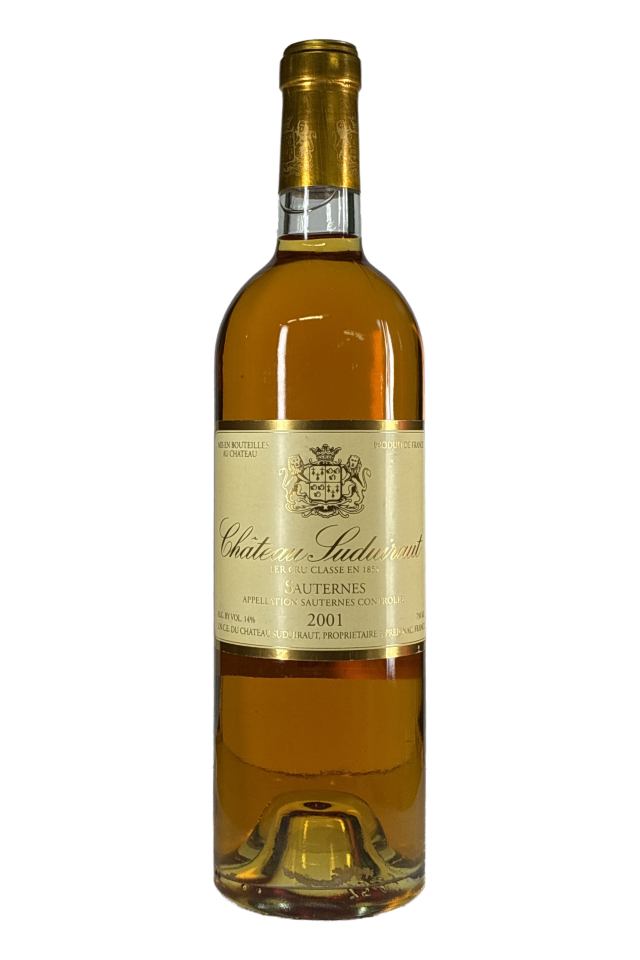
Château Suduiraut is a Sauternes estate classified as a first growth in 1855. Sémillon and Sauvignon Blanc form the basis of its sweet wine, with the local river-influenced climate encouraging noble rot and concentrated grapes. The estate also explores dry white Bordeaux, showing another side of this vineyard landscape. Discover Château Suduiraut auction vintages at Spectrum Wine, with the exact wine and condition stated for each lot.
Yields crisp, aromatic whites with citrus, herb and grassy notes. It shines in the Loire, Bordeaux blends and around the world for its refreshing zip.
Sauvignon Blanc and Sémillon are complementary white grapes widely blended in Bordeaux and beyond. Sauvignon Blanc can contribute freshness and aromatic lift, while Sémillon adds texture and body. Their proportions and the finished wine’s sweetness vary by producer, place and vintage.
Prized both for age-worthy dry whites and, when affected by noble rot, the great sweet wines of Sauternes. It offers waxy texture and honeyed depth.