
Loading lot details…
The November 2026 Auction: Part 2
Swipe left for previous · Swipe right for next
 1 / 2
Lot 382
Estimate: $185
Sold:
This auction has ended. Bidding is closed.
Collection name
Reviews
97WA
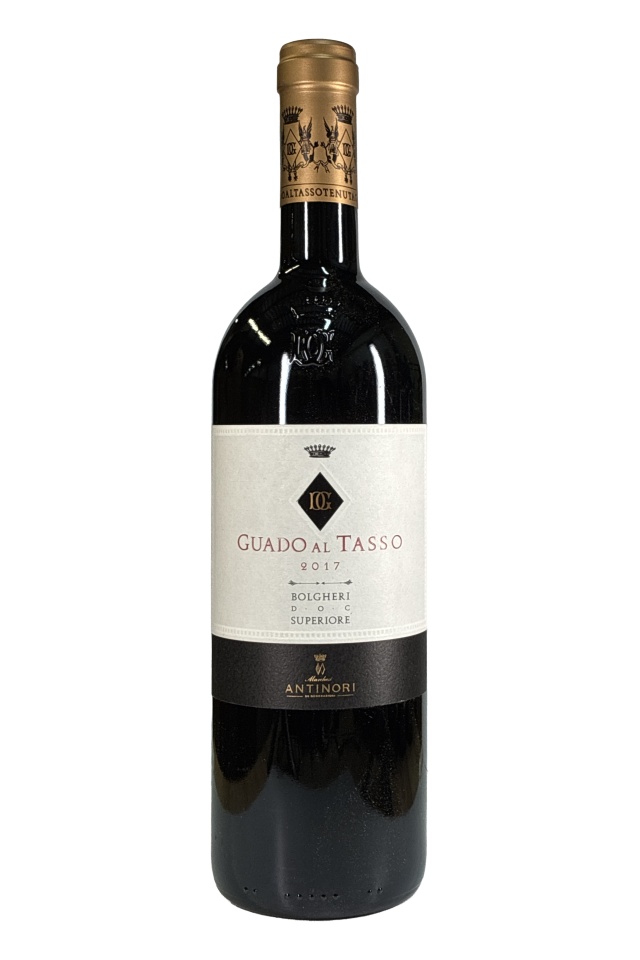
"From a warm and sunny vintage that produced darkly concentrated fruit, the Tenuta Guado al Tasso 2017 Bolgheri Superiore Guado al Tasso is a teaser and a super pleaser. This is one flashy wine. This carefully calculated blend of 65% Cabernet Sauvignon, 20% Cabernet Franc and 15% Merlot pours from the bottle with a beautifully saturated and rich color. I double-decanted my sample before writing this review, and the wine's aromas showed immediate harmony and intensity. The wine seduces and flirts with all your senses. This vintage caps many years of study regarding blending: The Merlot is slightly decreased here, and the Cabernet Franc is slowly taking on a more important supporting role. The Petit Verdot that was used as a peppery accent two years ago has now been removed altogether. The results are pliant, seamless and fluid, and that's the big takeaway here. The wine is bountiful, round, supple and full-bodied. Unless you are decidedly not a fan of this style, there's nothing not to love. I had anticipated more tightness in terms of possible hot-vintage tannins, but I am very pleased by the general integration of the mouthfeel. The Guado al Tasso vineyards are located not too far from the sea, at a low elevation of about 60 meters above sea level. The soils are alluvial with a unique mix of limestone clay and sand, with pockets of rocks and are generally known as the Bolgheri Agglomerate. Some 120,000 bottles of this vintage hit the market in February 2020."
Region
Red
Country
Score
"From a warm and sunny vintage that produced darkly concentrated fruit, the Tenuta Guado al Tasso 2017 Bolgheri Superiore Guado al Tasso is a teaser and a super pleaser. This is one flashy wine. This carefully calculated blend of 65% Cabernet Sauvignon, 20% Cabernet Franc and 15% Merlot pours from the bottle with a beautifully saturated and rich color. I double-decanted my sample before writing this review, and the wine's aromas showed immediate harmony and intensity. The wine seduces and flirts with all your senses. This vintage caps many years of study regarding blending: The Merlot is slightly decreased here, and the Cabernet Franc is slowly taking on a more important supporting role. The Petit Verdot that was used as a peppery accent two years ago has now been removed altogether. The results are pliant, seamless and fluid, and that's the big takeaway here. The wine is bountiful, round, supple and full-bodied. Unless you are decidedly not a fan of this style, there's nothing not to love. I had anticipated more tightness in terms of possible hot-vintage tannins, but I am very pleased by the general integration of the mouthfeel. The Guado al Tasso vineyards are located not too far from the sea, at a low elevation of about 60 meters above sea level. The soils are alluvial with a unique mix of limestone clay and sand, with pockets of rocks and are generally known as the Bolgheri Agglomerate. Some 120,000 bottles of this vintage hit the market in February 2020."
Have questions?
Wine is made in all 20 of Italy’s regions, from Alpine valleys to Mediterranean islands. Much of that variety comes from grapes with deep local roots. In Piedmont, Nebbiolo gives Barolo and Barbaresco their perfume and firm tannins. In Tuscany, Sangiovese brings red cherry and bright acidity to Chianti Classico and Brunello di Montalcino. Veneto spans a different range, from fresh, Garganega-based Soave to Amarone della Valpolicella, made from grapes dried before fermentation. Italy’s whites and sparkling wines are just as varied. The Marche is known for Verdicchio, while Sicily’s Mount Etna produces whites based on Carricante and reds led by Nerello Mascalese. In southern Italy, Campania is home to both Fiano di Avellino and the structured Aglianico reds of Taurasi. For bubbles, look to the orchard fruit of Glera-based Prosecco or the fine mousse and bready notes of Franciacorta, which gets its sparkle from a second fermentation in the bottle. An Italian label often leads with a place name. DOC and DOCG identify protected denominations with rules for where and how the wine is made. IGT also identifies a geographic origin and can give producers more latitude in their choice of grapes and blends.
The heartland of Sangiovese, producing Chianti Classico, Brunello di Montalcino and the Cabernet-influenced 'Super Tuscans' of the coast. Its wines balance bright acidity, savory structure and cellar-worthiness.