
Loading lot details…
The November 2026 Auction: Part 2
Swipe left for previous · Swipe right for next
 1 / 2
Lot 96
Estimate: $80
Sold:
This auction has ended. Bidding is closed.
Collection name
Reviews
95NM
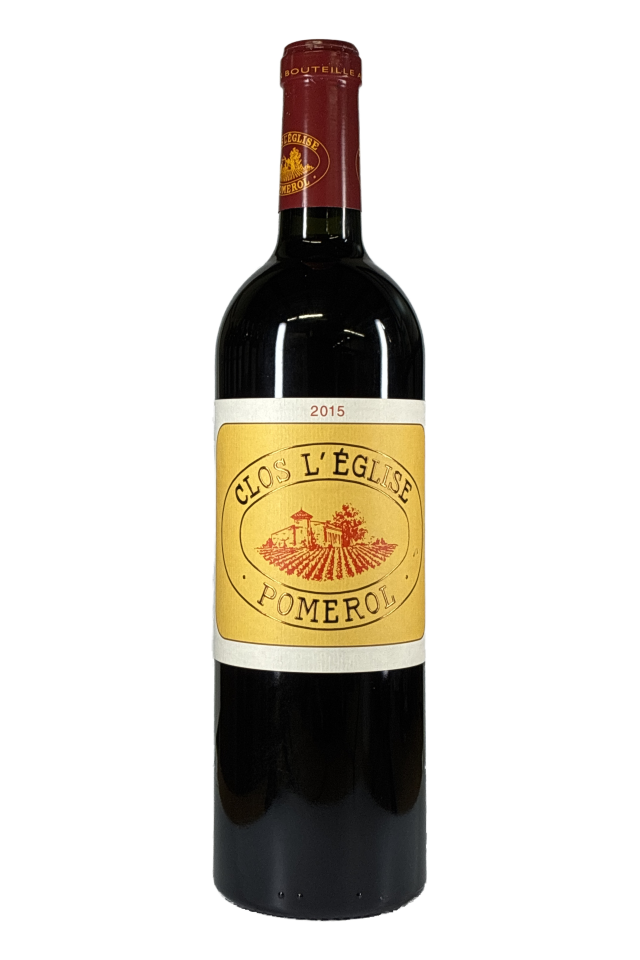
"The 2015 Clos l'Eglise has retained a very intense bouquet with scents of blackberry, wild strawberry, briary and just a touch of cassis in the background. It is very well defined although backward. The palate is medium-bodied with grainy tannin. This is a Pomerol with substance and presence, perhaps one of the most like its neighbor L’Eglise Clinet in terms of backbone and longevity. There is wonderful salinity toward the finish with residues of white pepper and even a slight garrigue note that lingers in the mouth. Superb . . ."
Region
Red
Country
Score
"The 2015 Clos l'Eglise has retained a very intense bouquet with scents of blackberry, wild strawberry, briary and just a touch of cassis in the background. It is very well defined although backward. The palate is medium-bodied with grainy tannin. This is a Pomerol with substance and presence, perhaps one of the most like its neighbor L’Eglise Clinet in terms of backbone and longevity. There is wonderful salinity toward the finish with residues of white pepper and even a slight garrigue note that lingers in the mouth. Superb . . ."
Have questions?
French wine covers a remarkable range of styles, from the structured reds of Bordeaux to the sparkling wines of Champagne, where a second fermentation in the bottle creates the bubbles. Bordeaux is best known for red blends built around Cabernet Sauvignon or Merlot, but it also makes dry whites and the sweet wines of Sauternes. Burgundy is a benchmark for Pinot Noir and Chardonnay, with wines that can taste distinctly different from one village to the next. The Rhône Valley offers a contrast within a single region: Syrah shapes the reds of the north, while Grenache often leads the blends of the south. In the Loire Valley, Chenin Blanc can be dry, sweet or sparkling, while Cabernet Franc is the signature red grape of appellations such as Chinon and Saumur-Champigny. A French wine label often starts with a place name. The Appellation d’Origine Contrôlée (AOC) identifies a defined area and sets rules for permitted grapes and production. Learning a few appellation names makes it easier to recognize the styles you enjoy and find related wines from neighboring villages or other producers.
The world's largest fine-wine region, built around blends of Cabernet Sauvignon and Merlot. Divided by the Gironde estuary into the structured Left Bank and the plush, Merlot-led Right Bank, it is the historic benchmark for age-worthy claret and sweet Sauternes.
A tiny, prestigious Right Bank appellation famed for opulent, velvety Merlot-based wines. Iron-rich clay soils yield some of the world's most coveted and concentrated reds.
2015 in Bordeaux was a warm, dry vintage producing ripe, generous and opulent wines, with the Right Bank, Margaux and Pessac-Leognan excelling; approachable yet balanced, with plush tannins and strong aging potential.
Merlot is a red grape valued for generous fruit, a rounded palate and a supple, often velvety texture. Plum and cherry are characteristic flavors, sometimes accompanied by violet or fig, with chocolate, coffee and savory notes developing in some wines as they mature. Its styles range from bright, approachable reds to deeply concentrated wines with substantial structure. Bordeaux is Merlot's historic home, and the grape is particularly important on the Right Bank in Saint-Émilion, Pomerol and Fronsac. There it can lead a blend, frequently partnered with Cabernet Franc. Across Bordeaux, Merlot also complements Cabernet Sauvignon, contributing fruit and roundness alongside the latter's firmer tannic framework. Merlot generally ripens earlier than Cabernet Sauvignon, helping growers achieve ripe fruit in a range of conditions. Vineyard site, harvest timing and cellar choices determine the final balance of richness, freshness and tannin. Many bottlings offer pleasure in their youth, while fine, well-balanced examples can develop layered aromas and greater complexity through extended aging.