
Loading lot details…
The November 2026 Auction: Part 2
Swipe left for previous · Swipe right for next
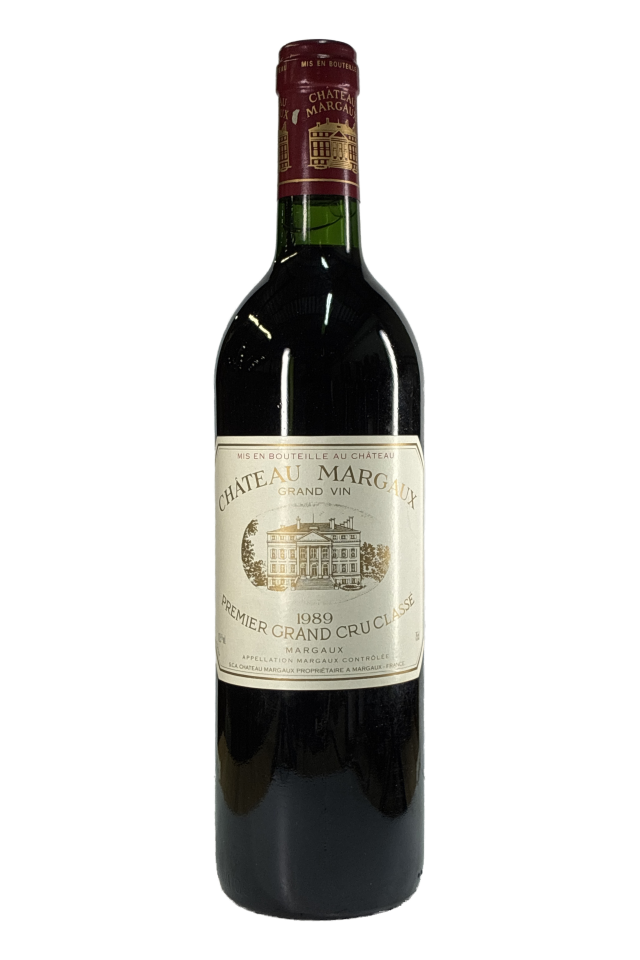 1 / 2
Lot 17
Estimate: $600
Very lightly scuffed capsule.
Sold:
This auction has ended. Bidding is closed.
Collection name
Reviews
100WS
"This is still just a baby, offering currant and berries, with dried flowers that turn to subtle cedar and dried fruits. Structured and full-bodied, with ultrafine tannins and supersilky texture. This is so tight and powerful, but still backward. The palate builds and builds, with amazing tannins. A little chewy, this needs years still."
Region
Red
Country
Score
"This is still just a baby, offering currant and berries, with dried flowers that turn to subtle cedar and dried fruits. Structured and full-bodied, with ultrafine tannins and supersilky texture. This is so tight and powerful, but still backward. The palate builds and builds, with amazing tannins. A little chewy, this needs years still."
Have questions?
French wine covers a remarkable range of styles, from the structured reds of Bordeaux to the sparkling wines of Champagne, where a second fermentation in the bottle creates the bubbles. Bordeaux is best known for red blends built around Cabernet Sauvignon or Merlot, but it also makes dry whites and the sweet wines of Sauternes. Burgundy is a benchmark for Pinot Noir and Chardonnay, with wines that can taste distinctly different from one village to the next. The Rhône Valley offers a contrast within a single region: Syrah shapes the reds of the north, while Grenache often leads the blends of the south. In the Loire Valley, Chenin Blanc can be dry, sweet or sparkling, while Cabernet Franc is the signature red grape of appellations such as Chinon and Saumur-Champigny. A French wine label often starts with a place name. The Appellation d’Origine Contrôlée (AOC) identifies a defined area and sets rules for permitted grapes and production. Learning a few appellation names makes it easier to recognize the styles you enjoy and find related wines from neighboring villages or other producers.
The world's largest fine-wine region, built around blends of Cabernet Sauvignon and Merlot. Divided by the Gironde estuary into the structured Left Bank and the plush, Merlot-led Right Bank, it is the historic benchmark for age-worthy claret and sweet Sauternes.
The Left Bank appellation prized for perfumed, silky and elegant Cabernet-based wines. Gravel soils yield claret of aromatic finesse and refinement.
Chateau Margaux is a First Growth estate in Margaux, Bordeaux, celebrated for its perfumed, silky and profoundly elegant Cabernet-dominated wines, considered the epitome of the appellation's finesse.
A blend of the classic Bordeaux red varieties - typically Cabernet Sauvignon, Merlot and Cabernet Franc, often with Petit Verdot and Malbec - balancing structure, fruit and aromatic complexity. The template for age-worthy reds in Bordeaux and worldwide.