
Loading lot details…
The October 2026 Auction: Part 5
Swipe left for previous · Swipe right for next
 1 / 2
Lot 1496
Estimate: $400
Lightly bin soiled label.
Next Bid
Current Bid
Sign in to place bids and add to your watchlist.
Login to BidCollection name
Reviews
97ST
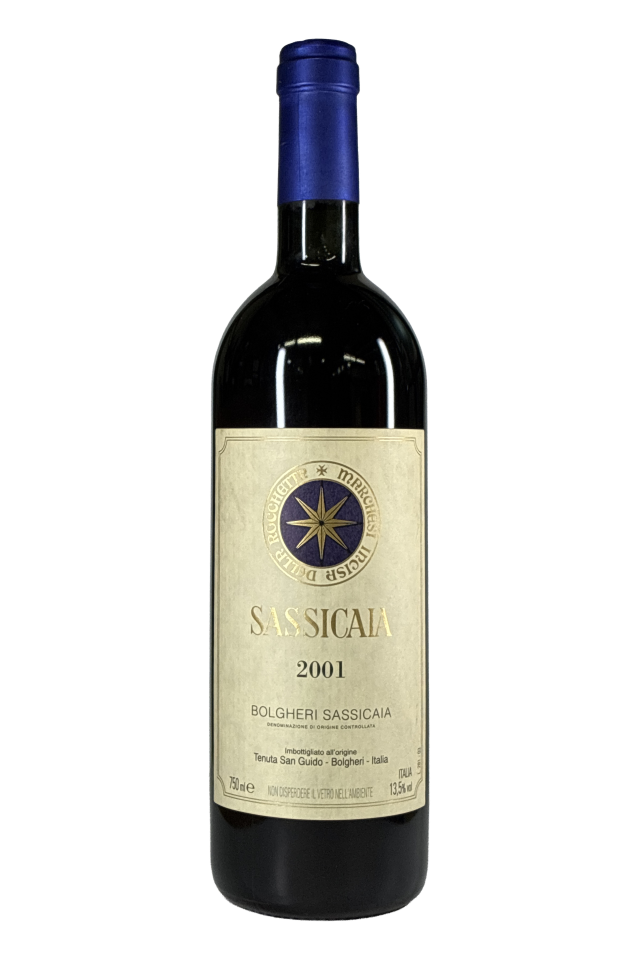
"(85% Cabernet Sauvignon and 15% Cabernet Franc): Deep red-ruby. Knockout nose combines raspberry, dark cherry, smoke, coffee, minerals and sexy coconutty oak. Then rich and very complex without any undue weight on the palate, offering deep, concentrated flavors of dark cherry, blackberry, cassis, balsamic herbs and cedar. This still very young wine offers a rare combination of density, intensity of flavor and vinosity, finishing with fine-grained tannins and subtle notes of pepper and herbs. Along with the 2004, this is my choice for the best Sassicaia of the last 20 years, in a classic, ultra-clean and refined style. The 2001 vintage in Bolgheri was characterized by a deep freeze at Easter time (with temperatures down to -6°C), which greatly reduced eventual vine yields and caused a 10%-15% decrease in overall production. A cooler than average September prolonged the ripening and brought more hang time for the fruit, allowing for optimal ripeness and the potential for complex, long-lived wines."
Region
Red
Country
Score
"(85% Cabernet Sauvignon and 15% Cabernet Franc): Deep red-ruby. Knockout nose combines raspberry, dark cherry, smoke, coffee, minerals and sexy coconutty oak. Then rich and very complex without any undue weight on the palate, offering deep, concentrated flavors of dark cherry, blackberry, cassis, balsamic herbs and cedar. This still very young wine offers a rare combination of density, intensity of flavor and vinosity, finishing with fine-grained tannins and subtle notes of pepper and herbs. Along with the 2004, this is my choice for the best Sassicaia of the last 20 years, in a classic, ultra-clean and refined style. The 2001 vintage in Bolgheri was characterized by a deep freeze at Easter time (with temperatures down to -6°C), which greatly reduced eventual vine yields and caused a 10%-15% decrease in overall production. A cooler than average September prolonged the ripening and brought more hang time for the fruit, allowing for optimal ripeness and the potential for complex, long-lived wines."
Have questions?
Italy grows more indigenous grape varieties than any other country and produces wine in all 20 of its regions. From Piedmont's Nebbiolo to Tuscany's Sangiovese, its finest wines pair structure and bright acidity with a strong sense of place.
The heartland of Sangiovese, producing Chianti Classico, Brunello di Montalcino and the Cabernet-influenced 'Super Tuscans' of the coast. Its wines balance bright acidity, savory structure and cellar-worthiness.