
Loading lot details…
The December 2020 Auction: Part 3
Swipe left for previous · Swipe right for next
 1 / 2
Lot 98
Estimate: $425
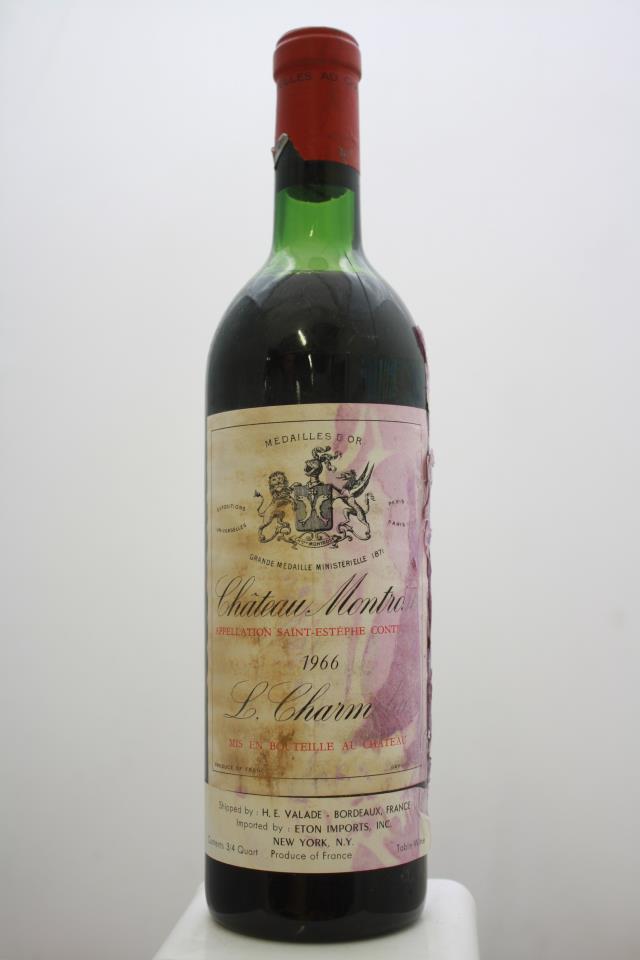
1 top shoulder, 1 high shoulder, 1 upper shoulder, lightly torn and 2 stained capsules, mold stained, heavily glue stained, heavily damp stained, heavily tissue stained, 1 wrinkled, and 2 torn labels.
Sold:
This auction has ended. Bidding is closed.
Collection name
Reviews
95-96NM
"How good was Saint Estephe in 1966? Many at the Montrose vertical rated this higher than the 1961. A beautiful nose: quite minerally with a seam of sweet raspberry and hot bricks. The palate is very well-balanced, quite feminine and elegant for Montrose which is usually more foursquare. It does not quite have the vigour of Cos d'Estournel 1966 but has a lovely lifted finish. A real gem."
Region
Red
Country
Score
"How good was Saint Estephe in 1966? Many at the Montrose vertical rated this higher than the 1961. A beautiful nose: quite minerally with a seam of sweet raspberry and hot bricks. The palate is very well-balanced, quite feminine and elegant for Montrose which is usually more foursquare. It does not quite have the vigour of Cos d'Estournel 1966 but has a lovely lifted finish. A real gem."
Have questions?
The world's most influential fine-wine producer and the benchmark for Bordeaux, Burgundy, Champagne and the Rhone. Its appellation (AOC) system codifies geography, grape and method, and its wines set the global standard for age-worthiness and terroir expression.
The world's largest fine-wine region, built around blends of Cabernet Sauvignon and Merlot. Divided by the Gironde estuary into the structured Left Bank and the plush, Merlot-led Right Bank, it is the historic benchmark for age-worthy claret and sweet Sauternes.
Chateau Montrose is a Second Growth estate in Saint-Estephe, Bordeaux, renowned for powerful, structured and exceptionally long-lived Cabernet-dominated wines.
An aromatic red grape lending perfume, red fruit and a leafy, savory edge. It thrives in the Loire and as a key blending partner in Bordeaux, especially Saint-Emilion.
The world's most planted premium red grape, yielding deeply colored, tannic and structured wines with cassis, cedar and graphite notes. Firm tannins and acidity make it exceptionally age-worthy, whether as a varietal or the backbone of a Bordeaux blend.
Produces plush, supple, fruit-forward reds with plum and chocolate notes. Softer and earlier-maturing than Cabernet, it adds flesh and roundness to blends and stars in Right Bank Bordeaux.
A deeply colored, tannic Bordeaux blending grape adding color, structure and floral, spicy complexity in small proportions.